
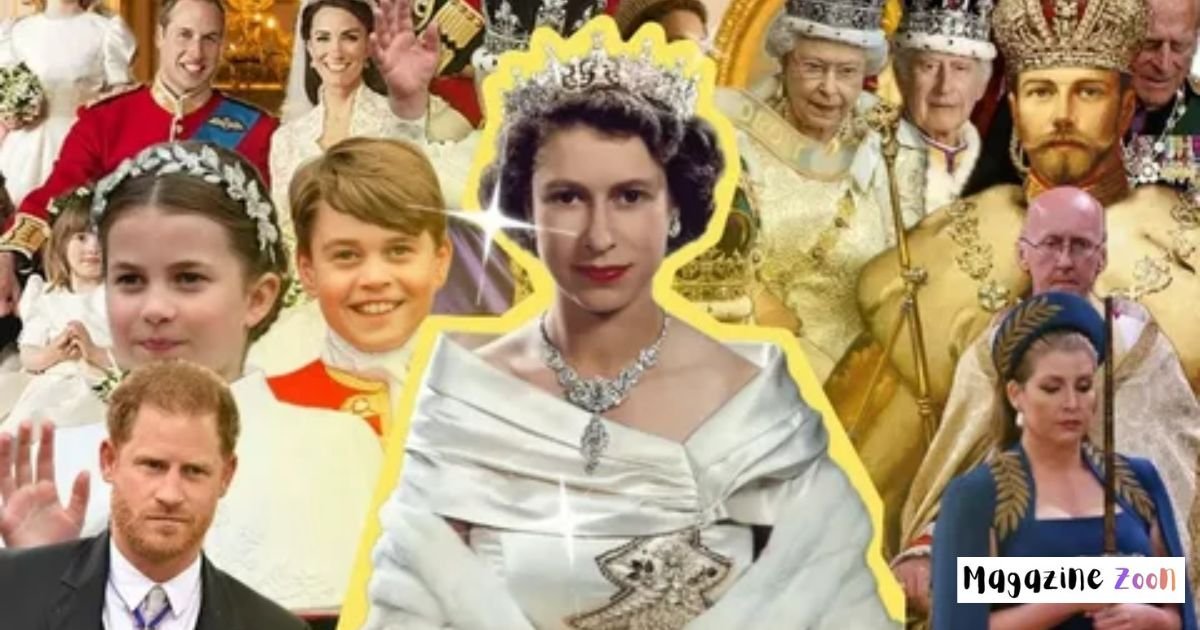
The crown family influence on art and culture has shaped societies for centuries, from royal palaces and historic paintings to music, fashion, and traditional crafts. Throughout history, royal families have supported artists, built museums, and protected important landmarks. Their contributions have helped preserve cultural heritage and strengthen national identity across generations.
Today, many royal institutions continue supporting cultural festivals, historic collections, and local artisans. However, their influence extends beyond preservation, raising questions about privilege, public funding, and representation. Understanding the role of royal families reveals how royal patronage, historical traditions, and modern initiatives continue shaping artistic expression while keeping cultural stories alive for future generations.
What Are Crown Families? Understanding Their History and Legacy
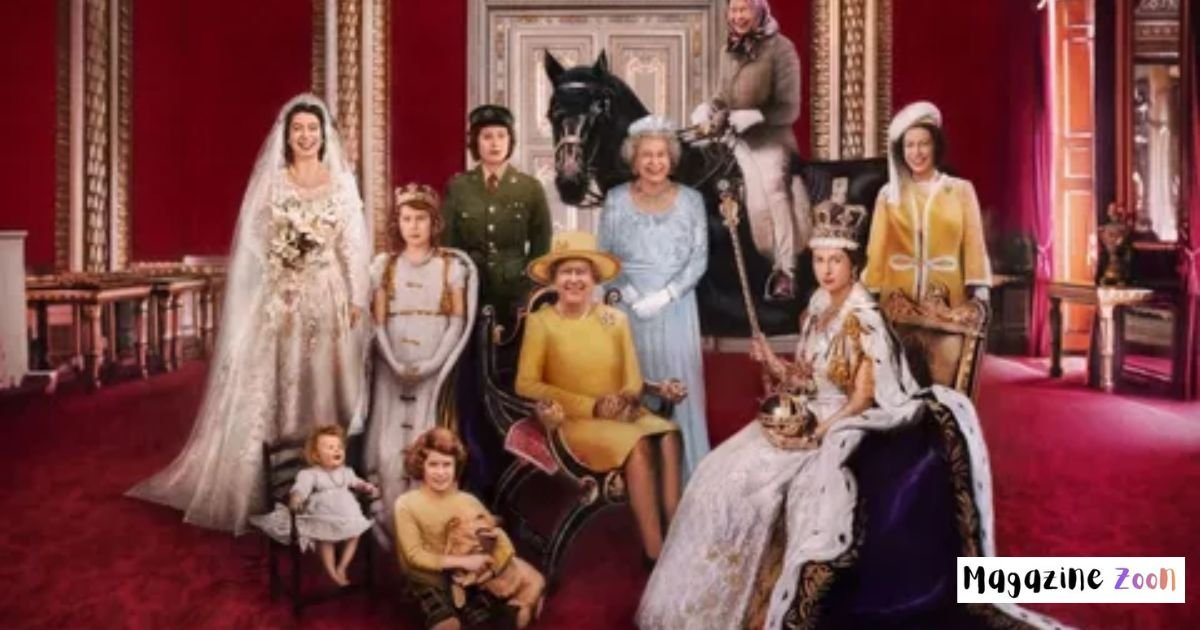
A crown family usually refers to a royal household connected to a monarchy. Across history, monarchs shaped public taste through their wealth, political authority, and artistic interests. Their choices influenced everything from palace design to clothing, music, and painting.
The history of royal patronage shows how rulers supported artists and helped define national styles. However, royal influence varied across countries and periods. Some rulers encouraged creative freedom, while others commissioned art to display wealth, strengthen authority, or celebrate military victories.
The Origins and Evolution of Royal Families
Royal dynasties developed in many societies through inheritance, conquest, and political alliances. Their courts attracted skilled painters, sculptors, architects, and musicians. Over time, these creative networks helped establish artistic traditions that became part of a nation’s history.
How Crown Families Influenced Art, Culture, and Society
The influence of crown families on society often extended beyond palaces. Royal commissions created jobs for craftspeople and encouraged new artistic techniques. Their collections also helped preserve objects that later generations could study, although access to these treasures was once limited.
The Difference Between Crown Families, Monarchies, and Royal Dynasties
A monarchy is a political system headed by a king, queen, or another hereditary ruler. A royal family includes relatives connected to that ruler, while a dynasty describes a line of rulers from the same family. These terms overlap, but they aren’t interchangeable.
The Historical Role of Royal Families in Preserving Culture
For centuries, royal courts served as important centers of creativity. Wealthy rulers financed grand buildings, religious artworks, musical performances, and literary works. This role of royal families in preserving culture helped many artistic traditions survive periods of political change.
Yet royal patronage wasn’t always purely artistic. Leaders sometimes used paintings, monuments, and ceremonies to reinforce their authority. Understanding this history means recognizing both the beauty of royal commissions and the political messages behind them.
Royal Patronage of Artists, Writers, and Musicians
Royal support for art and literature gave talented creators access to resources and influential audiences. Court musicians performed for royal gatherings, while writers produced histories and poetry. This financial support could launch careers, although artists sometimes had to follow their patrons’ preferences.
Royal Influence on Architecture, Painting, and Sculpture
Royal commissions transformed cities through palaces, gardens, monuments, and public buildings. Portrait painters presented rulers as powerful and dignified, while sculptors celebrated dynasties through statues. These examples of art and architecture reveal how artistic choices reflected the values of their time.
How Royal Collections Preserved Historical Artifacts
Paintings, manuscripts, furniture, jewelry, and decorative objects often remained within royal households for generations. Today, many royal collections help researchers understand historical craftsmanship and court life. Their value lies not only in beauty but also in the stories and knowledge attached to each object.
How Royal Families Preserve Cultural Heritage Today
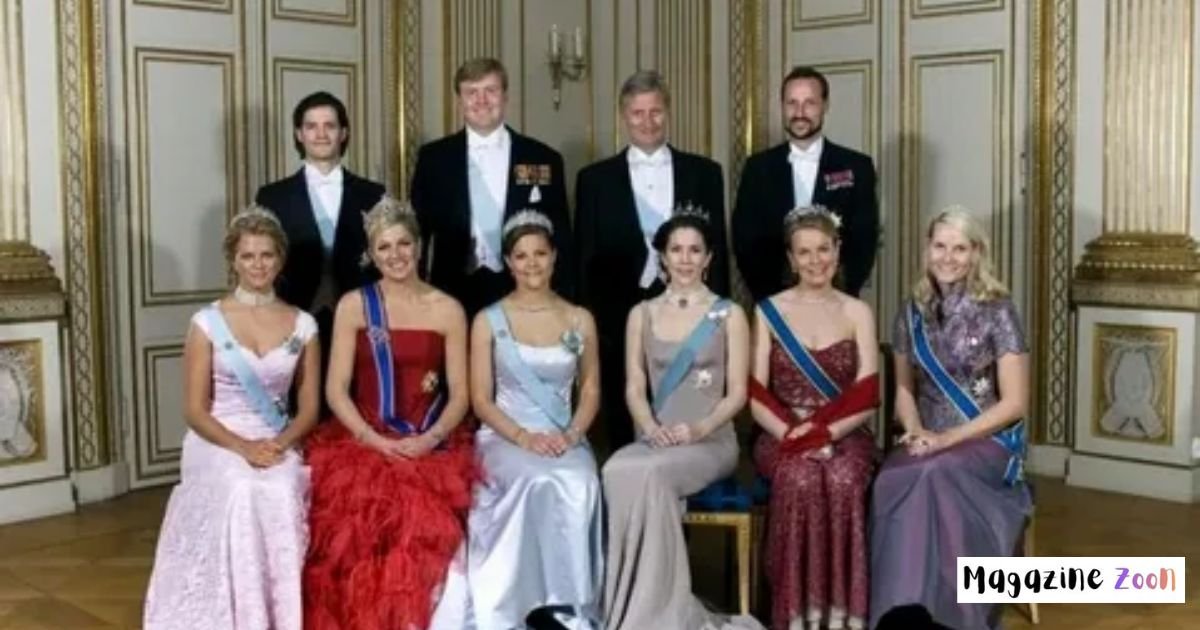
Modern royal households can support heritage through exhibitions, public ceremonies, charitable partnerships, and cultural organizations. These efforts connect historical objects with contemporary audiences. They also help people understand how cultural preservation contributes to a shared sense of history.
However, preservation involves more than protecting valuable objects behind glass. Living traditions need teachers, performers, craftspeople, and community participation. UNESCO explains that intangible heritage includes oral traditions, performing arts, festivals, and traditional craftsmanship. UNESCO’s explanation of intangible cultural heritage.
Museums, Galleries, and Historic Royal Collections
Museums make historical collections accessible through exhibitions, research, and education. The UK’s Royal Collection includes more than a million objects, while its charitable trust works to conserve and share them with the public.
Protecting Traditional Crafts, Languages, and Cultural Festivals
Royal initiatives can draw attention to weaving, embroidery, folk music, regional languages, and community celebrations. Royal families supporting local artisans may help preserve skills that require years of practice. Lasting results depend on fair opportunities, practical training, and continued demand for handmade work.
Royal Palaces and Monuments as Cultural Landmarks
Historic palaces and monuments preserve architectural details, artistic techniques, and memories of earlier generations. Their restoration can support research and tourism. The preservation of historical sites and monuments also requires careful planning because weather, pollution, overcrowding, and costly repairs can threaten historic structures.
The British Royal Family and Its Cultural Influence
The British royal family maintains a visible connection to historic collections, ceremonial traditions, and royal residences. Its cultural influence reaches visitors through exhibitions, palace tours, official events, and artistic loans. These activities introduce audiences to British history and the wider story of monarchy.
The cultural influence of the British monarchy should still be understood carefully. The royal household, independent museums, government agencies, and charitable organizations have different responsibilities. Recognizing these distinctions helps readers see where royal involvement ends and public or institutional work begins.
The Royal Collection Trust and British Artistic Heritage
The Royal Collection Trust cares for a major collection of paintings, drawings, books, furniture, and decorative arts. It organizes exhibitions and loans works to museums in Britain and abroad. The collection offers a valuable record of changing royal tastes over several centuries.
Royal Traditions, Public Ceremonies, and National Identity
Coronations, state occasions, uniforms, and ceremonial music connect modern audiences with long-standing traditions. Such events can reinforce royal traditions and national identity. They can also spark debate about which historical customs deserve continued public support and how traditions should adapt.
The Commonwealth, Cultural Diplomacy, and International Relations
Royal visits and shared ceremonies can create opportunities for cultural exchange among Commonwealth countries. This aspect of Commonwealth cultural relations can bring attention to art, heritage, and community projects. Still, meaningful cultural diplomacy requires respect for each country’s history and its own political choices.
How Royal Families Around the World Shape Culture
The crown family influence on art and culture differs from one country to another. Some royal households support historic museums, while others are associated with traditional textiles, performing arts, or cultural festivals. Local history and national institutions determine the form this influence takes.
Comparing royal families also reveals an important lesson: cultural heritage doesn’t belong to rulers alone. Artists, local communities, historians, and public institutions all contribute. Royal support can increase visibility, but communities remain essential to keeping traditions alive.
The Spanish and Dutch Royal Families and European Heritage
The Spanish royal household participates in cultural life connected with Spain’s artistic heritage. The Royal Academy of Fine Arts of San Fernando, founded in Madrid in 1752, is an important institution in the country’s art history. Its work reflects a broader tradition of formal art education and preservation.
In the Netherlands, the Rijksmuseum preserves Dutch art and history through its extensive collection. Its origins trace back to a government decision in 1798 to establish a national museum. Although royal history influenced its early development, the museum’s story also reflects public institutions and national cultural policy.
The Thai Royal Family and Traditional Arts and Crafts
Thailand’s royal history includes support for traditional arts, textiles, and rural development. Queen Sirikit became widely associated with promoting Thai silk and supporting craftspeople. The Royal Initiative Projects are also linked to development efforts associated with King Bhumibol Adulyadej, although each initiative should be researched individually.
These examples illustrate Thai royal family cultural preservation through skills that connect generations. Traditional weaving involves more than producing fabric; it carries knowledge about materials, patterns, and local identity. Support works best when artisans receive fair income and can pass their skills to younger makers.
The Monégasque Royal Family and Cultural Institutions
Monaco’s royal household is associated with cultural activities, charitable foundations, and the principality’s historic institutions. The Prince Pierre Foundation supports literary and artistic achievement through awards and cultural programs. Such initiatives help maintain Monaco’s profile as a center for international arts and creative exchange.
The Oceanographic Museum of Monaco, founded under Prince Albert I and opened in 1910, connects scientific research with public education. Its exhibitions focus on marine life and ocean conservation. The museum demonstrates how royal history can intersect with science, architecture, and environmental awareness.
Shahbanou Farah Pahlavi and the Preservation of Iranian Culture
Shahbanou Farah Pahlavi supported museums, cultural events, architecture, and the arts during Iran’s Pahlavi era. Her foundation describes efforts to promote Iranian culture and traditional handicrafts. These activities form part of Shahbanou Farah Pahlavi’s cultural legacy, although individual projects and outcomes should be verified through reliable records.
Her cultural work included support for festivals and artistic institutions. The Niavaran Palace Complex also offers a setting for exploring Iran’s royal and architectural history. Discussions of Persian arts and Iranian culture should recognize the country’s diverse artistic traditions rather than reducing them to the history of one royal household.
The Political, Social, and Economic Impact of Crown Families
Royal households can influence how people understand national history and public traditions. Their ceremonies, charitable work, and cultural appearances often receive media attention. The influence of crown families on society can therefore extend beyond formal political authority into education, tourism, and public discussion.
Economic effects are harder to measure than cultural visibility. Historic residences and royal exhibitions may attract visitors, but tourism also depends on transport, accommodation, local businesses, and public investment. A balanced assessment should distinguish measurable economic activity from claims that royal status alone creates prosperity.
Royal Families and National Identity in Modern Society
Symbols, ceremonies, and shared historical stories can strengthen a sense of belonging. Royal families and national identity sometimes reinforce one another through public events and heritage projects. However, national identity is never uniform; people may value the same history differently because of their backgrounds and experiences.
The Economic Impact of Royal Tourism and Cultural Attractions
Palaces, historic monuments, and museum collections can support heritage tourism by attracting visitors interested in architecture and history. Tourists may also spend money at nearby restaurants, hotels, and shops. The true economic benefit depends on visitor numbers, maintenance costs, local spending, and how revenue is distributed.
Royal Influence on Fashion, Media, and Popular Culture
Royal clothing, weddings, portraits, and public appearances often inspire designers and attract media coverage. These images can shape trends far beyond a palace. Yet fashion and popular culture also draw from musicians, film stars, designers, and everyday communities, so royal influence is only one part of a larger creative landscape.
The Debate Over Royal Privilege, Public Funding, and Cultural Value
Royal heritage can create public benefits, but preserving palaces and collections may raise questions about cost, ownership, and access. People may disagree about whether public resources should support royal institutions. Transparent budgets, conservation records, and broad public access help readers evaluate these issues fairly.
Royal Philanthropy and Its Role in Cultural Preservation
Through charitable foundations and partnerships, some royal figures support education, museums, and artistic programs. Royal philanthropy can provide funding for projects that struggle to attract commercial investment. Its impact depends on clear goals, responsible oversight, and evidence that the funding reaches the people it intends to help.
The strongest programs combine money with long-term planning. A single festival can attract attention, but continued training and stable income help preserve cultural skills. Effective royal charitable initiatives should also work alongside local organizations rather than treating communities as passive recipients.
Supporting Artists, Cultural Foundations, and Museums
Grants, prizes, exhibitions, and artist residencies can help creators develop their work. Cultural foundations may also fund restoration projects and educational programs. When royal patrons support independent institutions, clear selection rules and transparent funding decisions help protect artistic freedom.
Royal Charities, Education, and Community Development
Arts education gives students opportunities to explore music, design, history, and performance. Royal families and community development can intersect when charitable programs provide instruments, training, or access to cultural spaces. Programs should measure participation and long-term outcomes rather than relying on publicity alone.
How Philanthropy Helps Preserve Endangered Cultural Traditions
Some crafts and performance traditions face declining demand as lifestyles change. Funding can help experienced practitioners teach apprentices and document specialist knowledge. Royal philanthropy and heritage conservation are most useful when they support the people who maintain traditions every day, not simply the objects they produce.
How Technology Is Changing Royal Heritage Preservation
Digital tools allow museums and cultural organizations to share collections with people who cannot visit in person. High-resolution photography, online catalogues, and recorded interviews can preserve details for future study. This technology in cultural heritage preservation also gives teachers and researchers easier access to historical material.
However, digital copies cannot replace every part of the original experience. Texture, scale, materials, and the atmosphere of a historic site can be difficult to reproduce on a screen. Responsible digital heritage preservation combines online access with physical conservation and accurate historical context.
Digital Archives and Online Royal Art Collections
Digital catalogues make it easier to search paintings, manuscripts, photographs, and decorative objects. The Royal Collection Trust provides online records for hundreds of thousands of objects. These resources help researchers explore provenance and artistic history without traveling to every collection.
Virtual Museums, Digital Exhibitions, and Historical Education
Virtual exhibitions can introduce students to objects housed thousands of miles away. Interactive timelines and expert commentary make complex history easier to follow. These digital archives and virtual exhibitions are particularly useful in classrooms, where educators can compare artistic styles and discuss how historical objects acquired their meaning.
Using Technology to Protect Artifacts and Historic Sites
Conservators can use digital imaging, environmental sensors, and three-dimensional scanning to document fragile objects and historic buildings. These methods can help identify changes over time. Technology supports expert judgment rather than replacing it, and digital records still need reliable storage, security, and regular maintenance.
Challenges Facing Royal Families in the Modern World
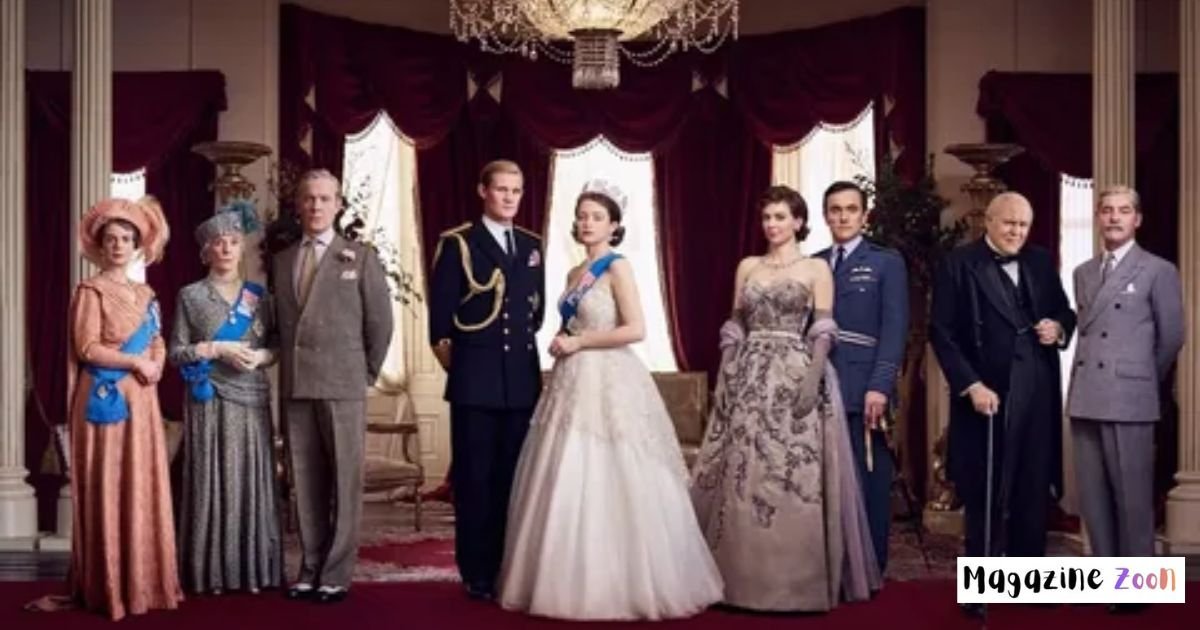
Modern royal households face changing expectations about their cultural role. People increasingly want institutions to explain their decisions, demonstrate public value, and acknowledge difficult parts of history. Preserving tradition therefore requires more than keeping old objects safe; it also requires honest interpretation.
Another challenge is ensuring that cultural projects benefit the communities connected to them. A restored monument may attract tourists but leave local residents with higher costs or limited access. Strong heritage planning considers community needs, historical accuracy, and the long-term effects of tourism.
Balancing Royal Traditions With Modern Cultural Values
Traditions can provide continuity, but they may also reflect outdated social attitudes. Royal institutions can preserve ceremonial practices while updating how they present history. Open discussion helps audiences understand both the cultural importance of a tradition and the reasons some people challenge it.
Public Accountability, Historical Controversies, and Cultural Ownership
Royal collections sometimes raise questions about how objects were acquired and who should control them. Researchers must examine provenance, colonial history, legal ownership, and requests for restitution. Honest interpretation strengthens cultural education because it recognizes that historical collections may carry painful stories as well as artistic value.
Globalization and the Risk of Losing Local Traditions
Global trends can make local crafts and languages less visible, especially when younger generations have fewer opportunities to learn them. The impact of globalization on local traditions isn’t always negative, however. International attention can also create markets for crafts and encourage cultural exchange when communities retain control over their heritage.
The Future of Crown Families and Their Cultural Legacy
The future of royal cultural work will depend on public trust, responsible funding, and meaningful partnerships. Younger royals may use digital platforms to reach wider audiences, while established museums continue caring for historic collections. The future of royal cultural influence will likely combine traditional patronage with modern forms of public engagement.
Long-term success requires shared responsibility. Governments, artists, historians, charities, and local communities all have roles in protecting heritage. Royal families and sustainable cultural preservation work best when projects conserve resources, respect living traditions, and make cultural knowledge available beyond elite circles.
How Younger Royals Are Engaging New Generations
Younger members of royal households can draw attention to museums, creative education, and traditional arts through public appearances and digital communication. Their influence is strongest when campaigns connect audiences with credible experts and community practitioners. Publicity may open the door, but lasting engagement needs meaningful activities.
The Growing Importance of Inclusive Cultural Preservation
Inclusive preservation recognizes the contributions of different communities, including groups historically left out of official narratives. Museums can broaden their collections and exhibitions by working with local historians and cultural practitioners. Protecting cultural identity for future generations means preserving diverse voices, not presenting history from a single viewpoint.
Will Crown Families Continue to Influence Art and Culture?
Royal families may continue shaping cultural life where they retain public visibility, resources, or ceremonial roles. Their influence will vary by country and institution. The strongest contributions will likely come from credible conservation work, accessible collections, and partnerships that respect artists and communities.
- Read More: Michelle Smallmon Spouse
- Read More: Dillion Harper Net Worth
FAQs
How do crown families influence art and culture?
Crown families can influence art and culture by commissioning creative work, supporting museums, maintaining historic buildings, and attending cultural events. Their influence also depends on the work of artists, public institutions, and communities that create and preserve heritage.
What is the role of royal families in preserving cultural heritage?
Royal families may help protect collections, support historic sites, and bring attention to traditional arts. Their efforts can complement museum conservation and community programs. Lasting preservation also needs expert care, reliable funding, and public access.
How did royal patronage influence artists throughout history?
Royal patronage provided artists with money, materials, commissions, and access to influential audiences. It helped produce major paintings, sculptures, palaces, and musical works. However, patrons often shaped the subjects and styles artists were expected to create.
Do royal families still influence modern art and fashion?
Yes, some royal families influence fashion, exhibitions, cultural events, and public interest in historic design. Their visibility can help introduce artists and traditions to wider audiences. However, contemporary creative industries include many other powerful voices and sources of influence.
How do crown families contribute to museums and cultural institutions?
Their contributions may include patronage, fundraising, ceremonial support, collection stewardship, and participation in exhibitions. The exact role varies by institution. Researchers should check official records to distinguish direct royal support from work carried out independently by museum staff.
What is the economic impact of royal families on tourism?
Royal palaces, ceremonies, and historical collections can attract visitors and support nearby businesses. The total impact depends on visitor spending, operating costs, conservation needs, and local economic conditions. Tourism figures alone cannot prove that a royal institution creates a net economic benefit.
Are royal families still relevant in modern society?
Royal families remain culturally relevant in some countries through ceremonies, charitable work, and heritage projects. Their political power varies widely. Public attitudes also differ, so their long-term relevance depends partly on trust, accountability, and the value people see in their work.
Conclusion: Why Crown Families Still Matter to Art and Culture
The crown family influence on art and culture reflects centuries of creativity, patronage, and historical change. From British royal collections to Persian arts and Thai textiles, royal initiatives have helped preserve valuable traditions. Yet artists, craftspeople, museums, and communities deserve equal recognition for keeping those traditions alive.
Ultimately, the crown family influence on art and culture depends on how effectively royal institutions serve the public. By supporting education, protecting historic sites, and embracing diverse cultural voices, they can help safeguard cultural heritage for future generations. Their legacy matters most when history remains accessible, accurately presented, and meaningful to everyone.

Discover engaging stories, insightful articles, latest trends, useful guides, and fresh perspectives across topics that matter to you.